How to Stay Healthy and Sane Through Years of Working From Home

Short Summary
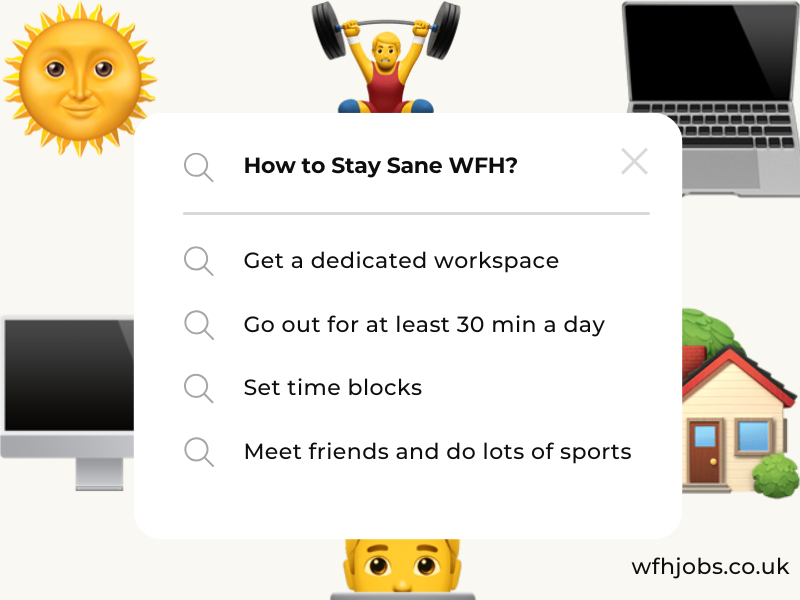
- A separate workspace helps create a clear boundary between work and home life. If you do not have a spare room, even a small corner separated by a curtain, divider or bookshelf can work.
- If you are given the privilege of a flexible schedule, make sure to set consistent working hours. Use time blocks to guide when to do deep work or take breaks.
- If you struggle to switch off after work, take up a hobby or learn a new skill. Having something enjoyable to focus on can help you mentally detach from your job.
- Working from the same place every day can eventually become monotonous. Use your annual leave to travel and gain new experiences.
- Eat well, get enough sleep, exercise regularly and spend time outdoors. A healthy mind needs a healthy body.
- Meet friends and family regularly, join a local club or volunteer. This helps you stay socially connected despite spending much of the working day alone.
Introduction
One of the less talked-about hangovers of the 2020 pandemic is how much worse it made an already growing loneliness epidemic. The irony is rather sobering. It has given millions of people more freedom over where and how they work, and yet created a breed of employees who work longer than they should and have lost the ability to draw a clear line between work and life.
For those of us who work from home, we must realise that we are at greater risk of slipping into this trap. Fortunately, that does not mean we are powerless to stop ourselves from falling prey to it.
After years of working from home myself, I have learned a few lessons about keeping the arrangement healthy, enjoyable and sustainable. This guide is my attempt to pass them on.
Create a Dedicated Workspace
If you are going to work from home for years, you should set up a dedicated home office, ideally one that is partitioned from your home's other living spaces.
By enclosing your workstation with a wall or other physical barrier, you are able to isolate your work life from your home life. Your work stays out of sight and out of mind once you shut the door.
But what are the essentials of a good home office? As I have gone into detail in our Essential Guide to your Fitted Home Office, it should include:
- Good lighting, ideally natural daylight, but artificial lighting works when positioned properly.
- Comfortable indoor temperature. The Health and Safety Executive (HSE) recommends at least 16°C.
- Ergonomic chair and table. You can also invest in an adjustable desk so you can alternate between sitting and standing.
- Clutter-free desk and surroundings. The fewer visual distractions, the better you can concentrate and finish quality work on time.
- High-speed internet. If you want a more stable connection, use an Ethernet cable to plug your PC or laptop directly into the router.
I understand that not everyone has a spare room waiting to become an office. In fact, I used to work from a dining table for years. But I realised later on that it was not a sustainable work-from-home setup.
Apart from totally wrecking my posture, it came to a point where I could not even enjoy my meals. I felt the need to check every email as soon as it pinged, even whilst a spoonful was halfway between the plate and my mouth.
That is why I cannot stress enough the importance of having a totally separate workspace. A tiny corner in your bedroom or living room, screened off with a room divider, curtain or even a bookshelf, can still work.
Go out of your home at least 30 minutes a day
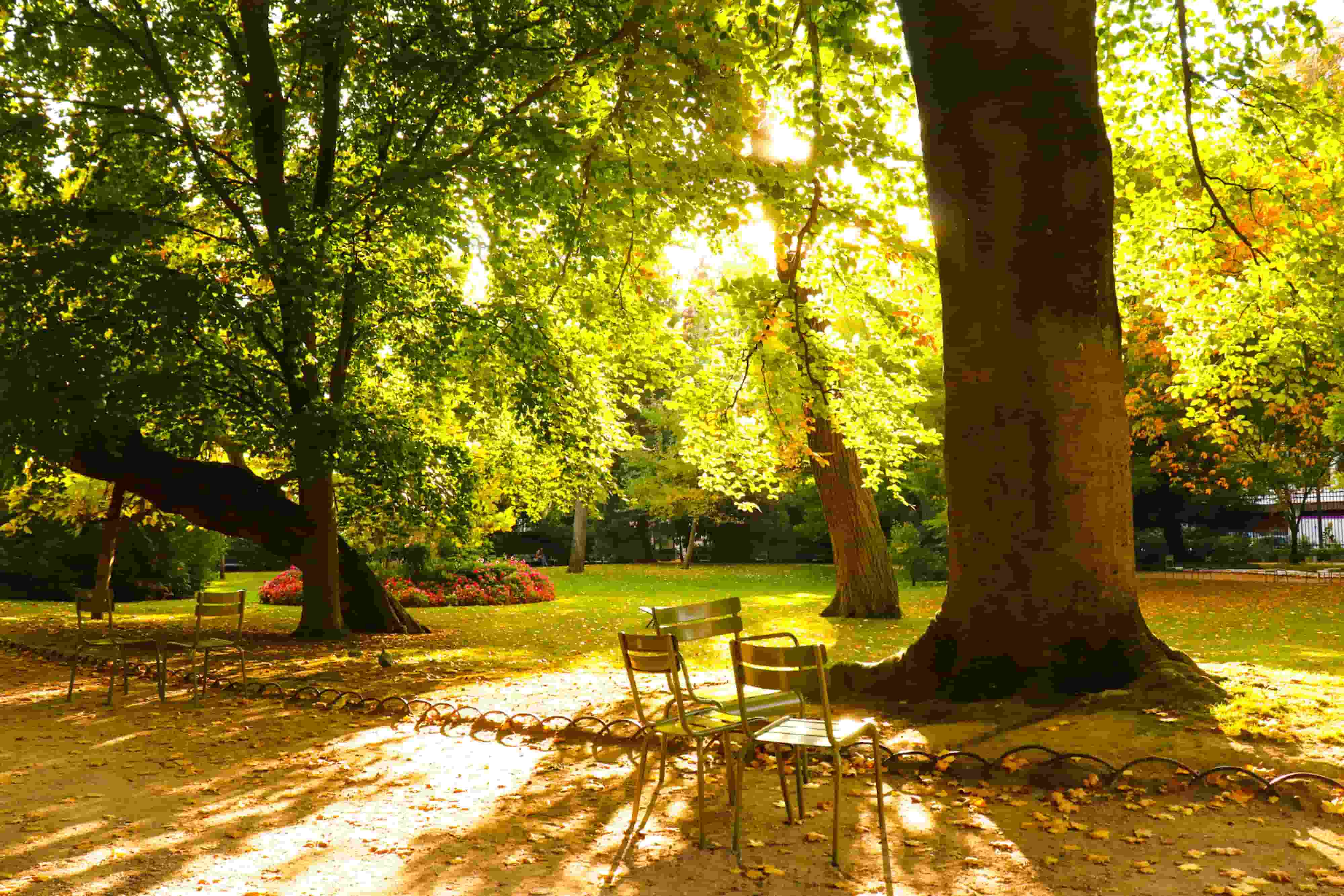
I believe this is the most important rule for me personally.
I realised that if I do not go out at least for 30 minutes a day, I quickly feel emotionally unwell.
This is why I stick to go out for a walk (e.g. for a chat with friends, to do some errands or go to a restaurant) at least 30 minutes a day; especially when it is sunny.
I often forgot the significants of sunlight, as more than illuminating my home office and saving me money on lighting. Daylight helps me lift my mood, enjoy my day and become a motivating force to go for a walk.
Light helps keep our circadian clock in sync, which in turn regulates the hormone melatonin associated with our sleep-wake cycle.
So, if you have trouble getting quality sleep after a day of work, spending some time outside in daylight could help you sleep better without reaching for an OTC sleep aid.
Furthermore, 10-15 minutes of daily sunlight exposure also helps your body produce vitamin D (The British Skin Foundation, 2026). You could easily fit that in while grabbing food from the nearest bakery or doing your grocery run.
If there is one thing I miss about having to work on site, it is getting this daily dose of sunlight without fail. It is simply impossible not to catch some during your commute or by walking from the car park towards the building entrance.
Get Away and Travel

New York Times bestselling author Paulo Coelho, in his book Adultery, writes, ‘All novelties quickly become habits.’
Working from home is no exception. The novelty and excitement of waking up in your pyjamas, with only a few steps necessary to ‘arrive’ at work, eventually fades.
Annual leaves exist for a reason. Use them to break the monotony.
Travelling is one of the best ways to make the most of this time off. It brings you face-to-face with unique and unpredictable encounters, leaving you with fresh insights and perspectives. In the process, it also dilutes the stress and fatigue that come with months of the same routine.
Personally, travelling has become almost ‘mandatory’ for me. I cannot tell you how many times I have had interesting ideas and aha moments pop in my head as I wander through new cities and landscapes.
If you have not travelled yet, give it a try. It really makes for an effective reset button. You could spend a week or two somewhere sunny and tropical like Bali or Phuket. Or, if your definition of an ideal getaway is equivalent to sitting in pensive silence, a one-night solo camping trip can do the trick.
Bonus tip: If you are into expensive, luxury escapes, salary negotiation guide. It might just be what you need to secure a higher salary and bring that dream holiday within reach.
Learn a Skill
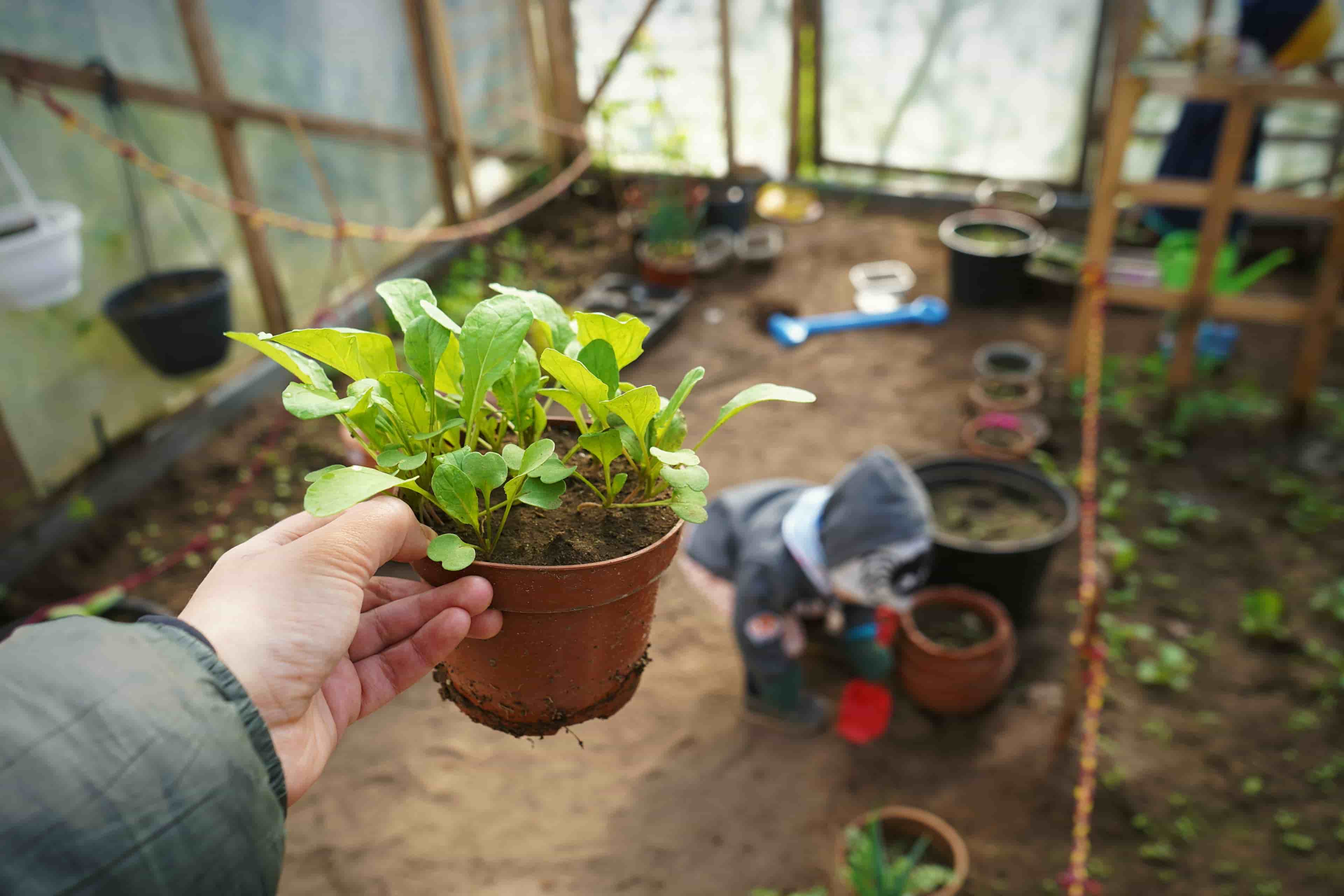
As counterintuitive as it may seem, learning a new skill can actually be an effective after-work recovery ritual (Bennett et al., 2018). That is to say pursuing a personal project can:
- Take your mind off work, especially when you become absorbed in something you enjoy.
- Give you something relaxing (yet productive) to do without feeling like you have wasted an evening.
- Bring the satisfaction of learning something new or getting better at something you are still an amateur at. You might even become so exceptionally good at it to consider a career change in the future.
- Put you back in control of how you spend your time. This can feel liberating and empowering, especially if you are having one of those days when nothing goes your way.
So cook a new dish. Grow chillies. Start a new carpentry project. Paint with oils. Do that thing you have been putting off for too long.
And no offence to anyone who would rather spend the evening on a movie marathon or scrolling through social media. Personally, I sometimes find those activities overstimulating rather than restorative. I would much rather lose myself in a hobby and have something to show for it afterwards.
Set Consistent Time Blocks
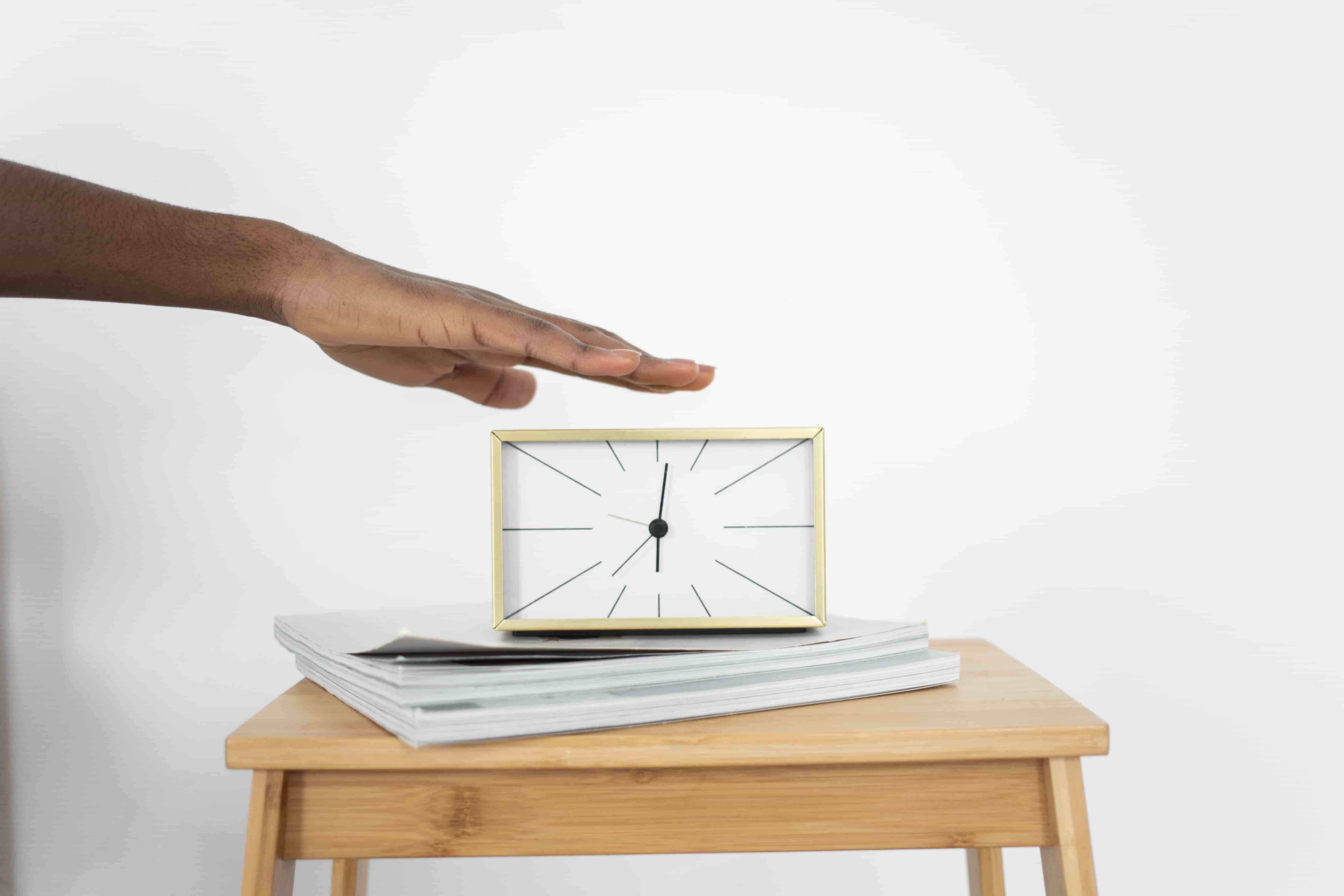
One of the great perks of working from home is having more control over your schedule. In fact, many enjoy the privilege of 'working on their own time' instead of being subject to the conventional 9-to-5 arrangement.
But a flexible schedule can be a double-edged sword. Without defined working hours, it becomes much easier to give in to your every whim. This creates two problems:
- You become more likely to procrastinate and, as a result, may not get done what you are supposed to for the day. Worse, you may have to do some work over the weekend to catch up on your deliverables – a recipe for burnout.
- You are unable to build momentum – and momentum matters especially when you are trying to get things done quickly and accurately.
This is why I like setting time blocks. Each block is assigned a particular type of work for that particular period. For example, a working day could look something like this:
Time Block | Activity |
|---|---|
09:00-11:00 | Deep work |
11:00-12:00 | Lunch break (cook, eat a meal, etc.) |
12:00-14:00 | Deep work |
14:00-14:30 | Short afternoon break |
14:30-16:30 | Shallow work |
16:30-18:00 | Leisure/fitness/run errands |
18:00-20:00 | Family Time |
As you can see in the above example, the first half of the working day is reserved for deep-work blocks: tasks that demand the most mental bandwidth. This could be brainstorming, analysing data or problem-solving.
The late afternoon and evening are allotted to shallow work, which could include answering emails, sorting or organising files, and completing routine administrative tasks.
Slotted in between work blocks are what I call 'reset zones'. I use these intervals for things like household chores, a quick 30-minute full-body workout (if I am pressed for time), running errands – any other sundry tasks that allow my brain to rest.
There is no hard-and-fast rule for arranging your own blocks. You may do the reverse, doing shallow work early and deep work later. Or you may prefer a one-hour reset block sandwiched between two chunky four-hour work blocks. It is up to you.
The point is not to create the perfect time block. The point is to create one you can stick to on a consistent basis.
Also, we have created a pomodoro timer we ourselves use on a daily basis.
Eat, Sleep and Exercise Well
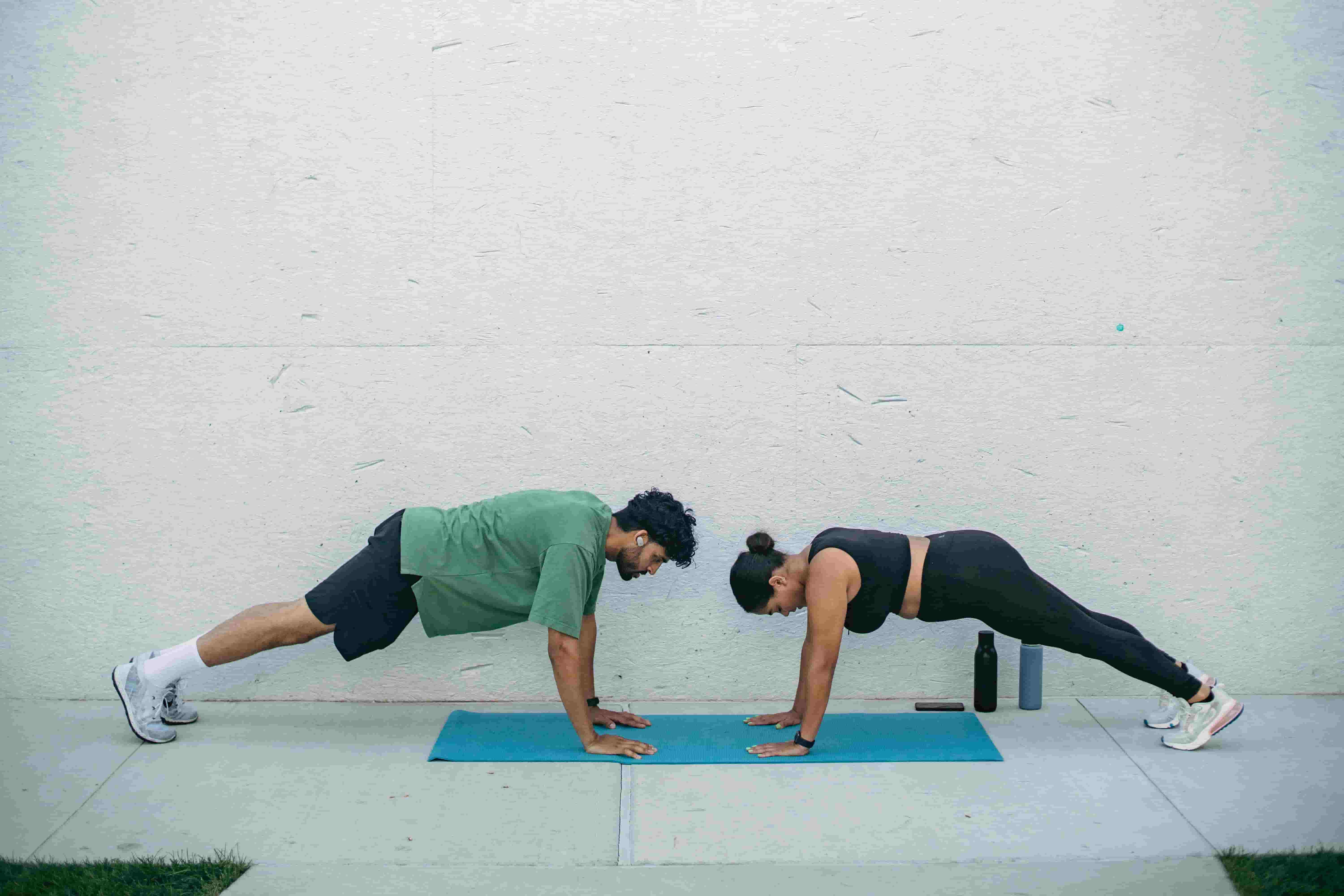
Whenever we feel down, uninspired or burnt out, our minds can be quick to point a finger at someone or something as the cause. But how often do we begin by asking ourselves:
- Have I been eating well?
- How much sleep have I been getting lately?
- When was the last time I went to the gym?
Unbeknownst to us, we ourselves may be contributing to our own misery by neglecting the needs of the body, the very vessel carrying us through every working day.
A healthy mind needs a healthy body. You cannot expect to come up with bright, ingenious ideas when you are constantly eating junk. Nor can you expect to become the sharpest person in the room, let alone the one earning that next promotion, when you are constantly running on two hours of sleep.
I could go on, but you probably get the point. The bigger question then is: How do you find time for all three when work already takes up so much of your time?
This is another reason why I love the time-block strategy we discussed earlier. It gives you a visual cue not only of when you work, but also of how much room you are making for your physical wellbeing.
A sufficiently long reset block could give you time to cook and sit down for a hearty, nourishing meal. A later interval could accommodate a run or gym session.
Most importantly, having a structure in place at the beginning of the day puts a ceiling on your working hours. You know exactly when to wrap the day up and prepare for sleep.
Meet People Regularly

I remember an introverted friend once telling me that the idea of working from home was, and I quote, ‘heaven to my ears’. And yet, a year into working remotely, mostly in isolation, he was calling it ‘the worst thing’ that had happened to him.
That says a lot. Even people who crave solitude have alarms that once alone becomes lonely.
Whether introverted or extroverted, we yearn for real human connection. Even more so given that working from home means spending almost a third of the day stuck in your tiny bubble.
This being so, make a point of setting aside time to mingle with people. Catch up with friends or family once a week or twice a month. Banter, vent, share your victories and woes; this is free therapy.
If it is impossible to see each other that often, then it might be time to make some new friends!
Join a book club that meets every weekend or a sports club around your favourite sport. Or perhaps, do some volunteer work. It is an incredibly energising and exhilarating feeling to be part of a collective trance, sharing the same love and passion for something with other people.
At the very least, visit your local park and simply bask in the chatter and laughter of people going about their day. Once in a while, we need to be reminded that there exists a whole world outside the four walls of a home office.
References
Bennett, A. A., Bakker, A. B., & Field, J. G. (2018). Recovery from work-related effort: A meta-analysis. Journal of Organizational Behavior, 39(3), 262–275. https://doi.org/10.1002/job.2217
British Skin Foundation. (2026, March 20). Sunlight and vitamin D. British Skin Foundation
Health and Safety Executive. (n.d.). Temperature in the workplace: What the law says. Health and Safety Executive